• 201, 2nd Floor, B-Wing, Mayuresh Park, Lake Road, Bhandup (West), Mumbai – 400078
  • +91 7307709403
  • Mon - Sat 10.00 - 06.00

How Drugs are Made
How Drugs are Made

The first stage in making a new drug involves drug discovery, where scientists identify potential compounds that may have therapeutic effects on specific diseases or conditions. This process often starts with laboratory-based research, high-throughput screening, or computer modeling to identify promising compounds.
  • Preclinical Research

    Once potential drug candidates are identified, preclinical research is conducted to study their safety, efficacy, and potential side effects. Preclinical studies are usually performed in vitro (in the laboratory) and in vivo (using animal models) to determine the compound's pharmacological properties.

  • Clinical Trials:

    If the preclinical research shows promising results, the drug candidate progresses to clinical trials. Clinical trials are conducted in human volunteers to evaluate the drug's safety, efficacy, and optimal dosage. Clinical trials typically involve three phases (Phase I, Phase II, and Phase III) and may include thousands of participants.

  • Regulatory Approval

    After successful completion of clinical trials, the pharmaceutical company submits a New Drug Application (NDA) or Marketing Authorization Application (MAA) to regulatory agencies, such as the Food and Drug Administration (FDA) in the United States or the European Medicines Agency (EMA) in Europe. Regulatory authorities review the data to determine if the drug is safe and effective for its intended use.

  • Drug Manufacturing

    Once regulatory approval is obtained, drug manufacturing can begin. The drug manufacturing process involves several key steps:

  • Raw Material Sourcing

    During formulation development, analytical R&D is used to assess the compatibility of drug substances with excipients and to optimize the drug formulation to achieve the desired drug release profiles and stability.

  • Drug Manufacturing

    Based on the drug's chemical properties and intended use, the pharmaceutical scientists develop the drug formulation, which includes determining the dosage form (tablet, capsule, injection, etc.) and the optimal combination of ingredients.

  • Formulation

    Once regulatory approval is obtained, drug manufacturing can begin. The drug manufacturing process involves several key steps:

  • Production of Drug

    The drug substance, or API, is synthesized or extracted through chemical processes. The purity and quality of the API are critical to ensuring the safety and efficacy of the final product.

  • Drug Formulation

    The drug substance is combined with excipients and other ingredients to create the final drug product. The formulation process may involve granulation, blending, and other techniques to ensure uniform distribution of the active ingredient.

  • Manufacturing Process

    The drug formulation undergoes several manufacturing steps, including compression (for tablets), encapsulation (for capsules), and fill-finish (for injectables). Each step is carefully controlled to maintain product quality and consistency..

  • Quality Control

    Throughout the manufacturing process, rigorous quality control and assurance measures are employed to ensure that the final drug product meets the required specifications and regulatory standards.

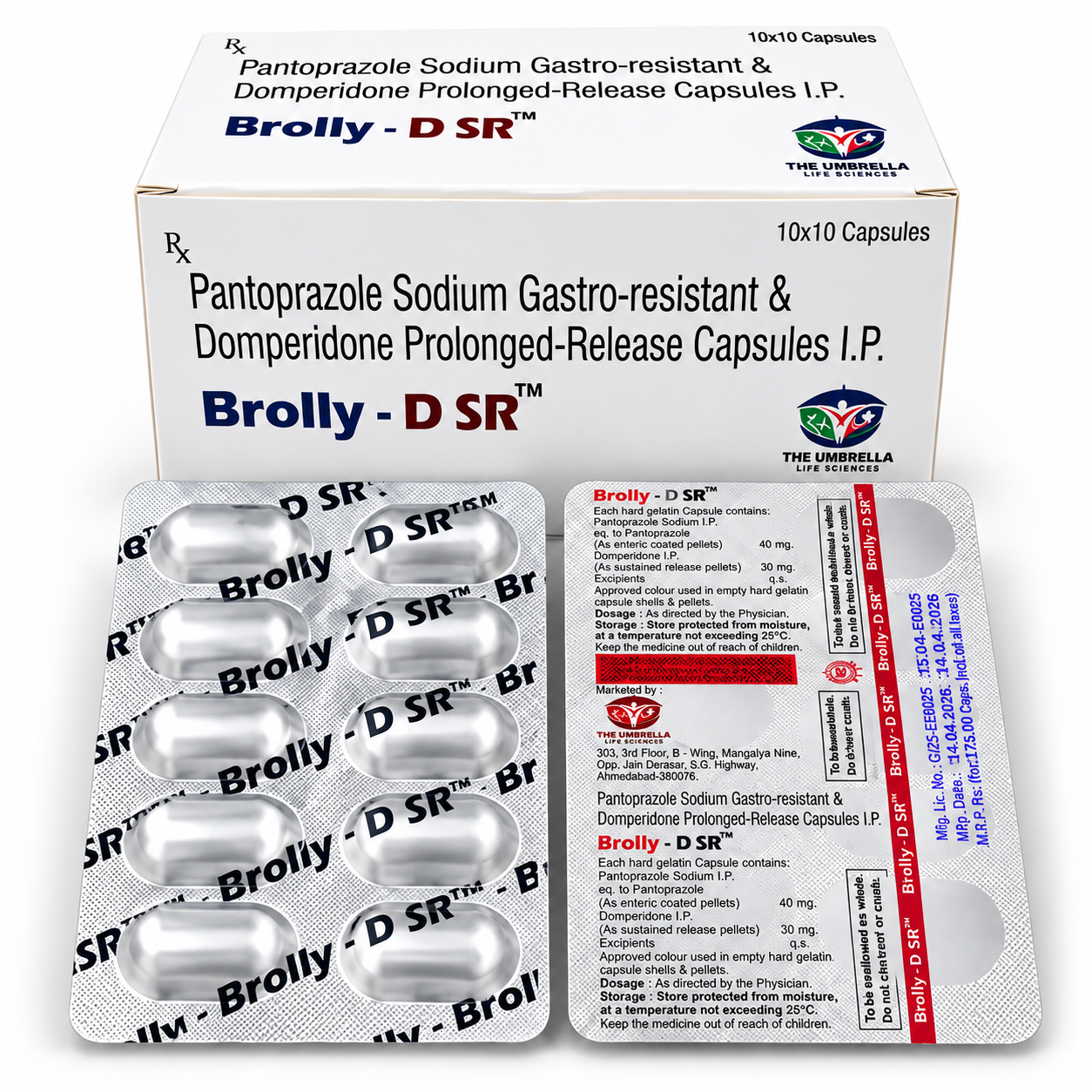
  • Packaging

    After manufacturing, the drugs are packaged in appropriate containers and labeled with essential information, including dosage instructions and expiration dates. The drugs are then distributed to pharmacies, hospitals, and other healthcare providers for patient use.

  • Post-Marketing

    After the drug is on the market, post-marketing surveillance is conducted to monitor its safety and efficacy in real-world settings. Adverse events and unexpected side effects are continually monitored, and any necessary action is taken to ensure patient safety.

  • The process of making drugs is a complex and highly regulated journey that requires collaboration between scientists, researchers, regulatory authorities, and pharmaceutical manufacturers to ensure that safe and effective medications reach patients in need.